组件渲染核心
数据驱动视图 react的视图是由数据驱动的
基于 props 的单向数据流
指的就是当前组件的 state 以 props 的形式流动时,只能流向组件树中比自己层级更低的组件。 比如在父-子组件这种嵌套关系中,只能由父组件传 props 给子组件,而不能反过来。
组建通信
使用基于 Props 的单向数据流串联父子、兄弟组件;
利用“发布-订阅”模式驱动 React 数据在任意组件间流动。
父子: 通过props,将父组件的state流向子组件
子父: 父组件通过props,将一个绑定了自身上下文的函数传递到子组件,那么子组件在调用该函数时,就可以将想要交给父组件的数据以函数入参的形式给出去,间接改变父组件数据
兄弟: 同一个父组件,将兄弟1->兄弟2的通信转换为 兄弟1->父组件 父组件->兄弟2,兄弟1借用父元素函数改变父元素state,然后父元素通过props将state流向兄弟2
复杂组件间:通过发布订阅模式,解耦合
1
2
3
4
5
6
7
8
9
10
11
12
13
14
15
16
17
18
19
20
21
22
23
24
25
26
27
28
29
30
31
32
33
34
| function EventEmitter(){
this.callback = {};
}
EventEmitter.prototype = {
on(type, callback){
if(typeof callback !== 'function'){
return;
}
if(!this.callback[type]){
this.callback[type] = [];
}
this.callback[type].push(callback);
},
emit(type, data){
if(this.callback[type]){
this.callback[type].forEach(element => {
element.call(this, data)
});
}
},
off(type, cb){
if(this.callback[type]){
const len = this.callback[type].length - 1;
for(var i = len; i >=0; i--){
if(this.callback[type][i] === cb){
this.callback[type].splice(i,1);
}
}
}
}
}
export default EventEmitter
|
redux
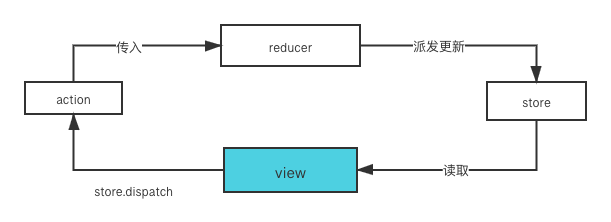
严格遵循单一数据流
在 Redux 的整个工作过程中,数据流是严格单向的